RCVM.ORG
- Subcritical CO2 Extraction labs
- SES - 2
- SES-80
- Pure full spectrum raw botanical extracts
- Functional food
- Coffee + Schisandra
- Coffee + Hop extract
- Coffee + Artemisia Annua extract
- Almonds Protein
- Walnuts protein
- Services
- About
- Investor's page
- Blog
- Mare's milk processing
- CO₂ Dry Cleaning
- Subcritical CO₂-Extracted Shikonin for Skin Injury Treatment
A Step-by-Step Guide: How Does CO2 Extraction Work for Herbs?
Understanding CO2 Extraction
CO2 extraction is a popular method used to extract essential oils and compounds from herbs. This technique harnesses the power of carbon dioxide, a supercritical fluid, to separate the desired components from the plant material. The result is a pure and high-quality extract that is ideal for various applications, including aromatherapy, supplements, and cosmetics.

The Basics of Supercritical CO2
Supercritical CO2 is a state of carbon dioxide where it exhibits properties of both a liquid and a gas. This occurs when CO2 is subjected to specific temperature and pressure conditions. In this state, CO2 can efficiently penetrate plant material and dissolve target compounds, making it an excellent solvent for extraction.
The process is favored for its ability to maintain the integrity and potency of the extracted compounds, as it operates at relatively low temperatures compared to other methods. This ensures that delicate compounds, such as terpenes and cannabinoids, remain intact.
Step-by-Step CO2 Extraction Process
Step 1: Preparing the Plant Material
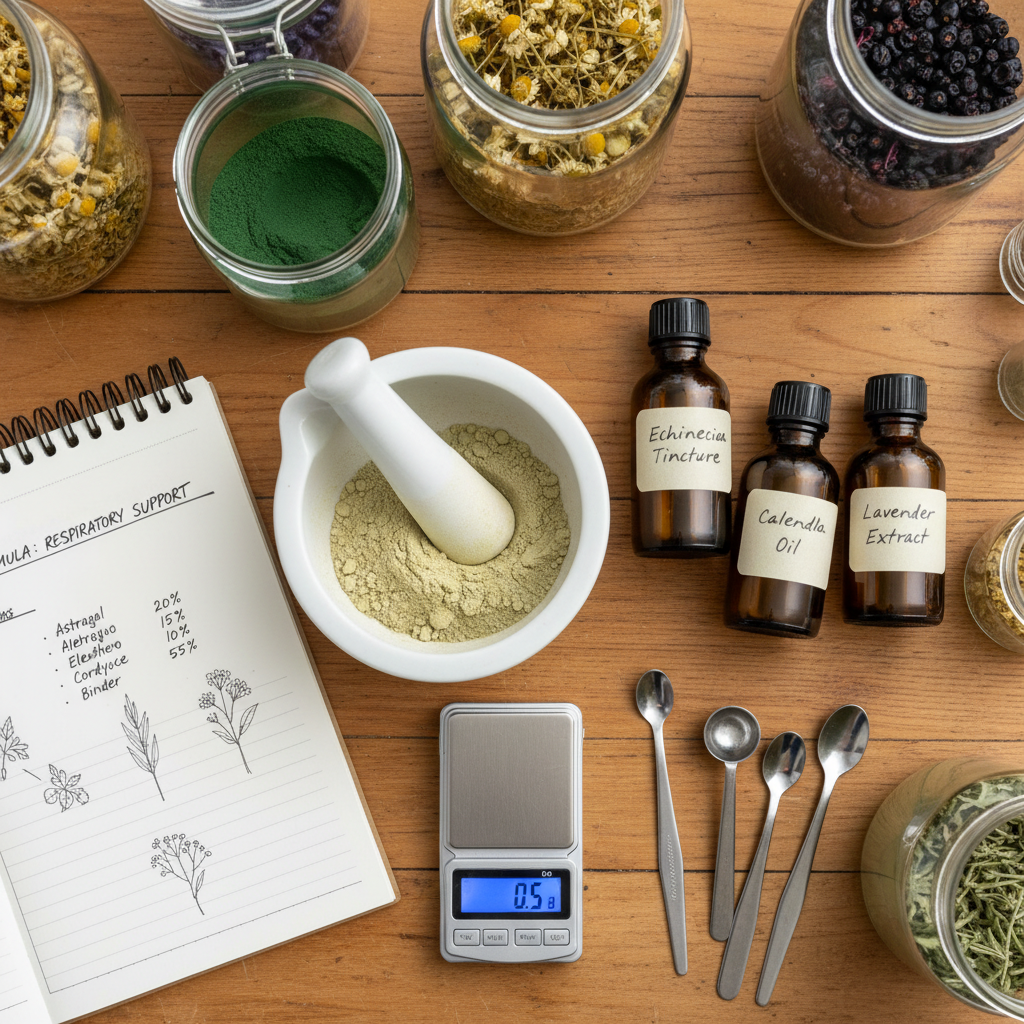
The first step in CO2 extraction involves preparing the plant material. This typically involves grinding or shredding the herbs to increase the surface area, ensuring better contact with the CO2. Proper preparation is crucial for maximizing yield and efficiency.
Step 2: Pressurizing the CO2
Next, CO2 is pressurized in a specialized machine until it reaches its supercritical state. This process requires precise control over temperature and pressure. The supercritical CO2 is then introduced into the extraction chamber containing the prepared plant material.
Step 3: Extraction Phase
During the extraction phase, supercritical CO2 acts as a solvent, pulling out the desired compounds from the plant material. The mixture of CO2 and extracted compounds is then passed through a separator, where pressure is reduced, allowing the CO2 to return to its gaseous state, leaving behind the pure extract.

Step 4: Collecting the Extract
The final step involves collecting the extract, which is often further refined to remove any remaining impurities or unwanted components. The result is a concentrated extract rich in essential oils and active compounds.
Advantages of CO2 Extraction
CO2 extraction offers several benefits over other methods. It is environmentally friendly, as CO2 is a naturally occurring, non-toxic gas. The process also allows for precise control over which compounds are extracted, enabling the production of tailored extracts with specific properties.

Furthermore, CO2 extraction preserves the quality of the extract, ensuring that the final product maintains its natural aroma, flavor, and potency. This makes it a preferred choice for manufacturers seeking high-quality herbal extracts.
Conclusion
CO2 extraction is a sophisticated and efficient method for extracting valuable compounds from herbs. By understanding the process and its advantages, producers can create superior products that harness the full potential of nature's bounty. Whether for health, beauty, or fragrance, CO2-extracted herbal products offer purity and efficacy that are hard to match.