RCVM.ORG
- Subcritical CO2 Extraction labs
- SES - 2
- SES-80
- Pure full spectrum raw botanical extracts
- Functional food
- Coffee + Schisandra
- Coffee + Hop extract
- Coffee + Artemisia Annua extract
- Almonds Protein
- Walnuts protein
- Services
- About
- Investor's page
- Blog
- Mare's milk processing
- CO₂ Dry Cleaning
- Subcritical CO₂-Extracted Shikonin for Skin Injury Treatment
Creating Custom Herbal Blends: What You Need to Know
Creating custom herbal blends is a rewarding and creative process that allows you to tailor herbal remedies to meet specific needs. Whether you're blending for health, relaxation, or culinary purposes, understanding the basics is essential. Here’s what you need to know to get started on your herbal journey.
Understanding Herbs and Their Properties
The first step in crafting custom herbal blends is understanding the properties and benefits of different herbs. Herbs are typically categorized based on their effects, such as calming, energizing, or healing. It's crucial to research each herb’s properties to ensure you’re blending effectively and safely.
When selecting herbs, consider their synergy. Some herbs complement each other and enhance overall effectiveness, while others might counteract each other's benefits. Experimenting with combinations can lead to discovering unique and potent blends.

Choosing the Right Ingredients
Once you understand the properties, the next step is choosing the right ingredients for your blend. Freshness and quality are paramount. Opt for organic herbs whenever possible to ensure purity and potency. You may choose to grow your own herbs or purchase them from reputable suppliers.
Consider the form of the herbs you use. Dried herbs are more concentrated, while fresh herbs can offer a more vibrant aroma and flavor. Depending on your purpose, you may use powders, whole leaves, or essential oils.

Proportions and Ratios
Creating a balanced blend often involves understanding the right proportions. A typical blend might consist of a primary herb that constitutes about 50% of the mix, a secondary herb at 30%, and a smaller amount of a third herb at 20%. This 50/30/20 rule provides a guideline for beginners to start with, but feel free to adjust based on personal preference and desired potency.
Blending Techniques
There are several techniques to blend herbs. Dry blending involves mixing dried herbs together, while wet blending may incorporate oils or tinctures. Infusions and decoctions are methods for creating liquid herbal blends, allowing the herbs to steep in hot water to extract their properties.

Testing and Adjusting Your Blend
Once you've created your blend, it's important to test it. Start with small batches and adjust the proportions as needed. Keep a journal of your experiments to track what combinations and ratios work best. Note any effects or benefits you experience, as well as any changes you might make in future blends.
Storing Your Herbal Blends
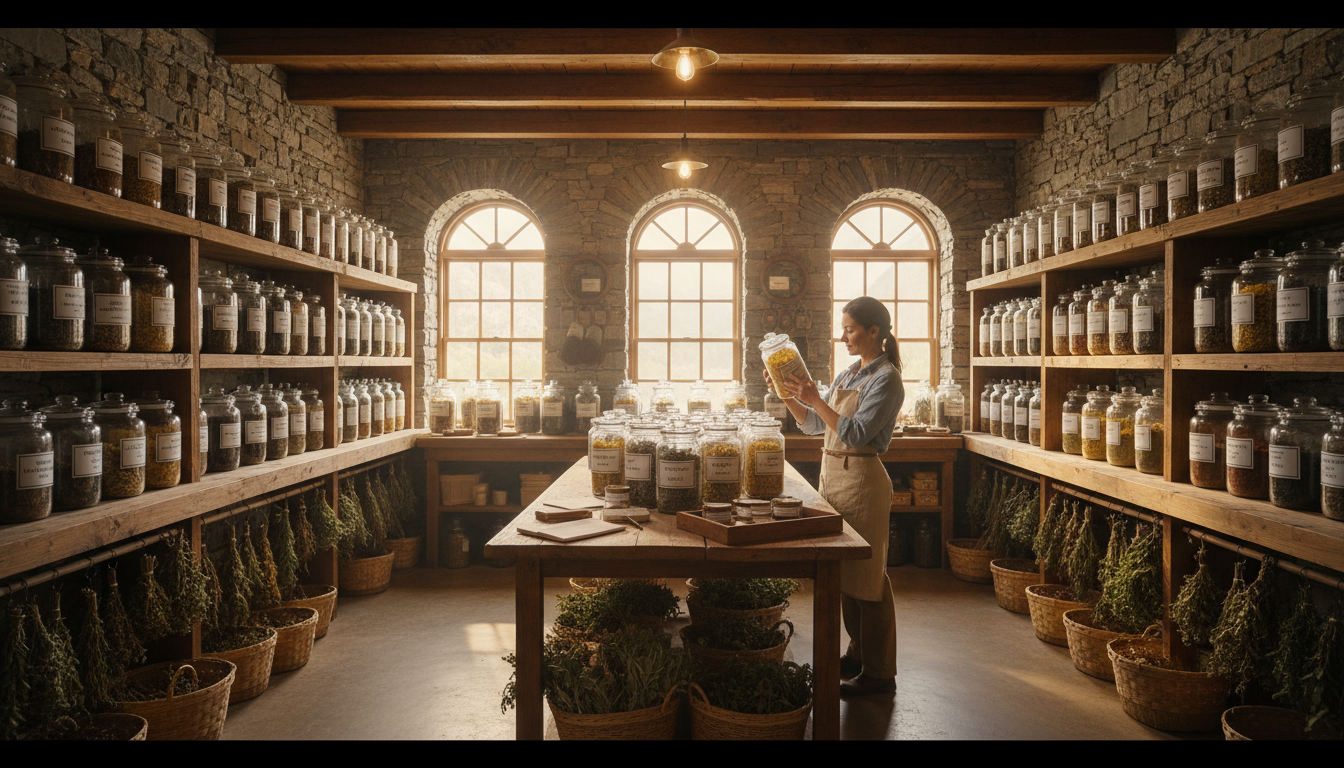
Proper storage is essential to maintain the potency and freshness of your herbal blends. Store them in airtight containers, away from light and moisture. Glass jars with tight-fitting lids are ideal. Label your blends with the date and ingredients to keep track of freshness and avoid any mix-ups.
Safety Considerations
While creating custom herbal blends can be exciting, safety is paramount. Always research potential side effects and interactions with medications. Consult with a healthcare professional if you’re unsure about the safety of a particular herb, especially if you’re pregnant, nursing, or have underlying health conditions.
Creating custom herbal blends is both an art and a science, requiring patience, experimentation, and passion. By understanding herbs, selecting quality ingredients, and carefully testing your blends, you can enjoy the many benefits of personalized herbal remedies.