RCVM.ORG
- Subcritical CO2 Extraction labs
- SES - 2
- SES-80
- Pure full spectrum raw botanical extracts
- Functional food
- Coffee + Schisandra
- Coffee + Hop extract
- Coffee + Artemisia Annua extract
- Almonds Protein
- Walnuts protein
- Services
- About
- Investor's page
- Blog
- Mare's milk processing
- CO₂ Dry Cleaning
- Subcritical CO₂-Extracted Shikonin for Skin Injury Treatment
Debunking Myths About Herbal Supplements: What You Should Know
Understanding Herbal Supplements
Herbal supplements have been used for centuries, but modern consumers often encounter a mix of facts and myths. While these natural products offer potential benefits, it's crucial to differentiate between science and folklore.
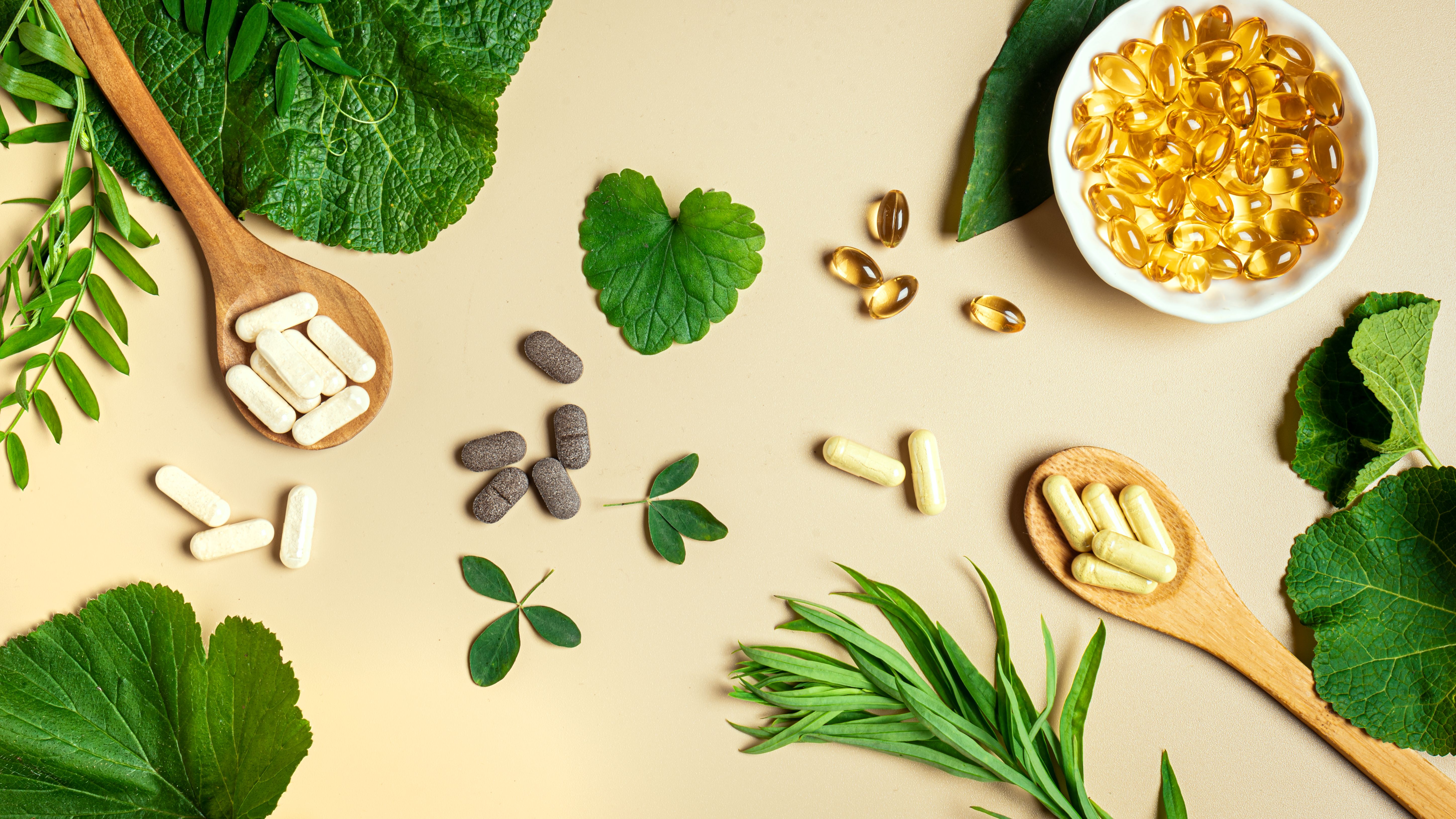
Myth: Herbal Equals Safe
A common misconception is that if something is herbal, it must be safe. However, being "natural" doesn't automatically translate to being harmless. Some herbs can interact with medications or cause side effects. It's essential to research and consult healthcare professionals before starting any supplement.
Myth: All Herbal Supplements Are the Same
Not all herbal supplements are created equal. Factors such as the plant's growing conditions, harvesting practices, and processing methods can greatly influence the quality and efficacy of the final product. Always choose reputable brands that provide transparent information about their sourcing and production processes.

The Importance of Scientific Evidence
Many people believe in the anecdotal benefits of herbal supplements, but scientific evidence is key to understanding their true potential. It's important to rely on studies and clinical trials rather than just personal testimonies.
Myth: More Is Better
Another myth is that taking larger doses will enhance the effects of herbal supplements. In reality, some herbs can be toxic in large quantities. Always adhere to recommended dosages and consult with a healthcare provider for personalized advice.

Regulation and Standards
In some regions, herbal supplements aren't as strictly regulated as pharmaceutical drugs. This lack of regulation can lead to inconsistencies in quality and labeling. Consumers should look for products that have been third-party tested for safety and efficacy.
Myth: Herbal Supplements Can Replace Medication
While herbal supplements can support health, they should not replace prescribed medication without medical guidance. They can complement treatments but should never be seen as a standalone cure.
Making Informed Choices
To make informed decisions about herbal supplements, consider the following:
- Research and understand the specific benefits and risks of each herb.
- Consult with healthcare professionals before starting any new supplement.
- Choose products from reputable brands with transparent sourcing.
By debunking these myths, consumers can better navigate the world of herbal supplements, ensuring they make choices that support their health and well-being.