RCVM.ORG
- Subcritical CO2 Extraction labs
- SES - 2
- SES-80
- Pure full spectrum raw botanical extracts
- Functional food
- Coffee + Schisandra
- Coffee + Hop extract
- Coffee + Artemisia Annua extract
- Almonds Protein
- Walnuts protein
- Services
- About
- Investor's page
- Blog
- Mare's milk processing
- CO₂ Dry Cleaning
- Subcritical CO₂-Extracted Shikonin for Skin Injury Treatment
DIY Herbal Blends: Tips from the Experts
Introduction to DIY Herbal Blends
Creating your own herbal blends at home can be a rewarding and therapeutic experience. Whether you're interested in crafting teas, incense, or skincare products, the process allows you to customize your blends to suit your personal preferences and needs. Experts in herbalism often emphasize the importance of understanding the properties of each herb to ensure a balanced and effective mixture.
In this post, we'll explore some expert tips on how to start making your own herbal blends. With a little guidance and creativity, you can craft personalized products that enhance your daily life.
Selecting the Right Herbs
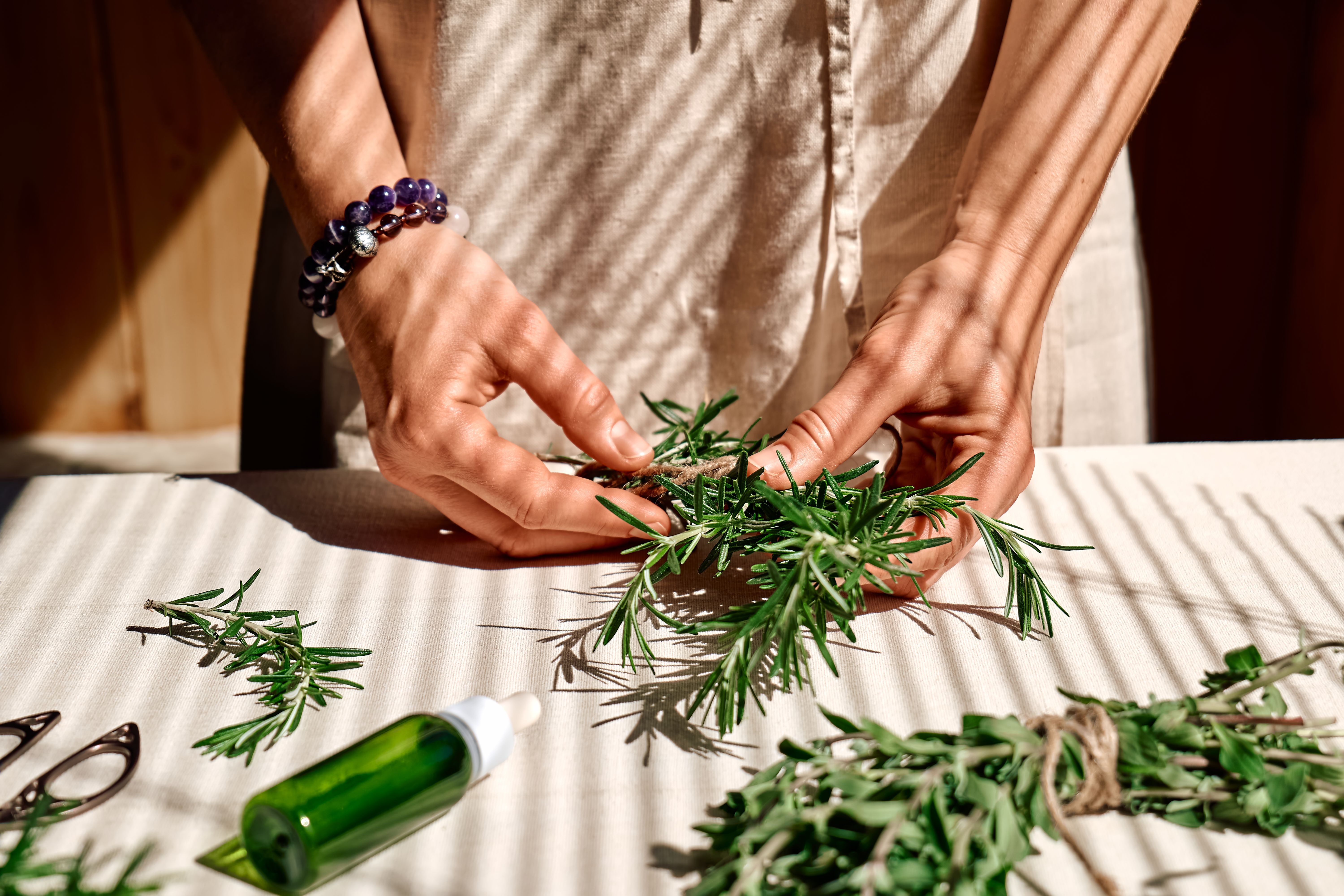
When beginning your journey into DIY herbal blends, the first step is selecting the right herbs. Consider what you want to achieve with your blend. Are you looking for relaxation, energy, or a remedy for a specific ailment? Once you have a goal in mind, research herbs that align with these objectives.
Experienced herbalists often suggest starting with a small selection of versatile herbs such as chamomile, peppermint, and lavender. These herbs are not only easy to find but also widely known for their beneficial properties.
Understanding Herbal Properties
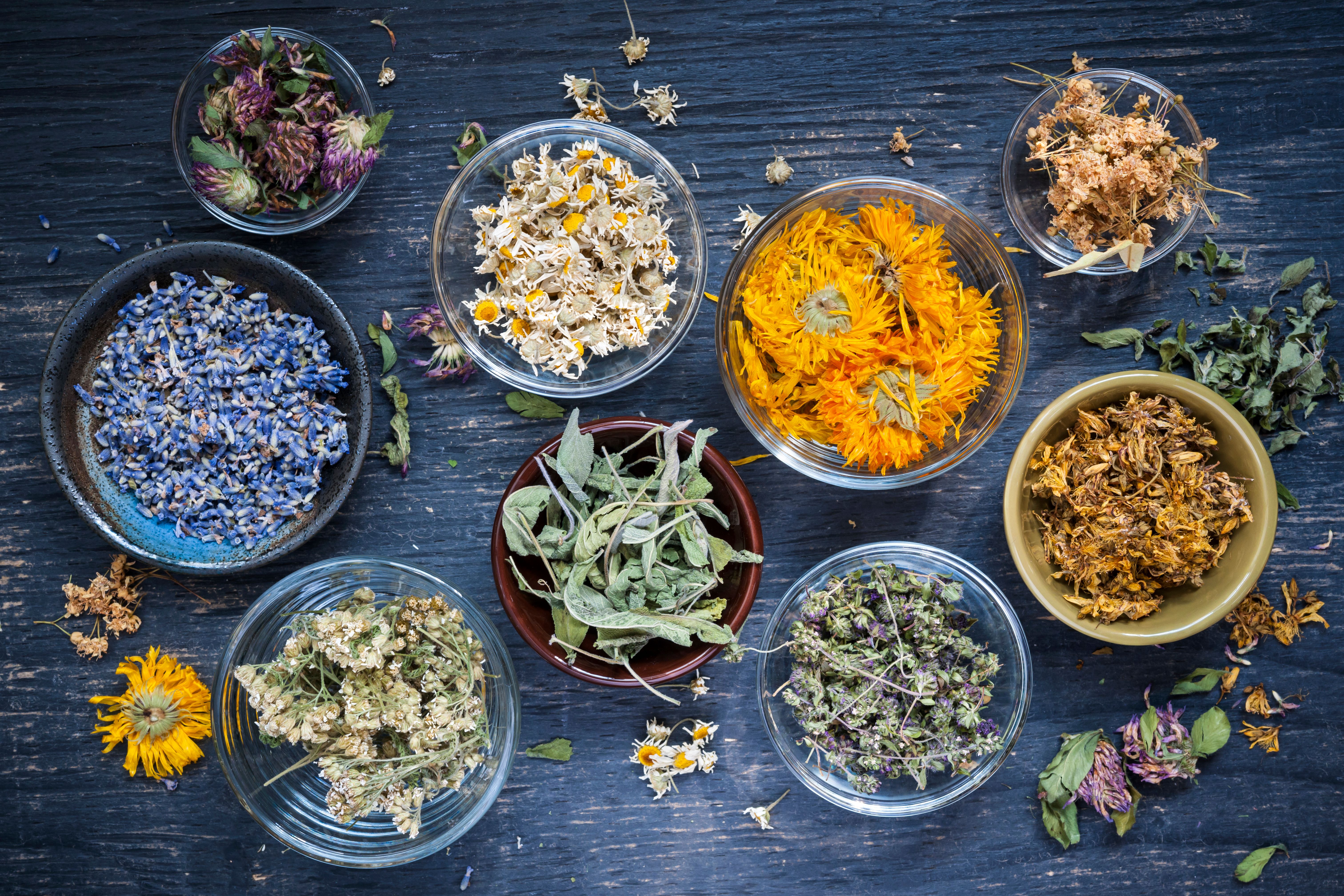
Each herb has unique properties that can influence the overall effect of your blend. For example, chamomile is known for its calming properties, while peppermint can provide a refreshing boost. It's important to understand how these properties interact to create a harmonious blend.
Consider creating a chart or list of herbs with their corresponding benefits. This can serve as a handy reference as you experiment with different combinations.
Creating Balanced Blends
Achieving balance in your herbal blend is crucial. Experts recommend using a three-part formula: a primary herb for the main effect, a secondary herb to support the primary, and a minor herb to add flavor or additional benefits. This formula helps in creating a well-rounded blend that is both effective and pleasant.
For example, a calming tea blend might include chamomile as the primary herb, lemon balm as the secondary, and a touch of mint for added flavor. Experimentation is key, so don't be afraid to try different combinations to find what works best for you.
Measuring and Mixing
Once you've selected your herbs, it's time to measure and mix. A digital kitchen scale can be a valuable tool for ensuring accurate measurements. Start with small batches to test your blends before committing to larger quantities. This allows you to make adjustments based on taste and effectiveness.
Mix your herbs in a clean, dry bowl and store them in an airtight container. Proper storage helps maintain the freshness and potency of your blend.
Conclusion
Creating DIY herbal blends is an enjoyable and fulfilling endeavor that allows you to connect with nature and craft something uniquely yours. By starting with a few basic herbs and following expert tips, you can develop blends that cater to your personal needs and preferences.
Remember, the key to successful herbal blending is patience and experimentation. Enjoy the process, and let your creativity guide you to discover the perfect blends.