RCVM.ORG
- Subcritical CO2 Extraction labs
- SES - 2
- SES-80
- Pure full spectrum raw botanical extracts
- Functional food
- Coffee + Schisandra
- Coffee + Hop extract
- Coffee + Artemisia Annua extract
- Almonds Protein
- Walnuts protein
- Services
- About
- Investor's page
- Blog
- Mare's milk processing
- CO₂ Dry Cleaning
- Subcritical CO₂-Extracted Shikonin for Skin Injury Treatment
DIY Herbal Extracts: What You Need to Know Before Getting Started
Understanding Herbal Extracts
Herbal extracts are concentrated forms of herbs, capturing their essential properties in a liquid form. They are used for a variety of purposes, from medicinal remedies to culinary enhancements. Before embarking on the journey of creating your own DIY herbal extracts, it's essential to understand the basics.
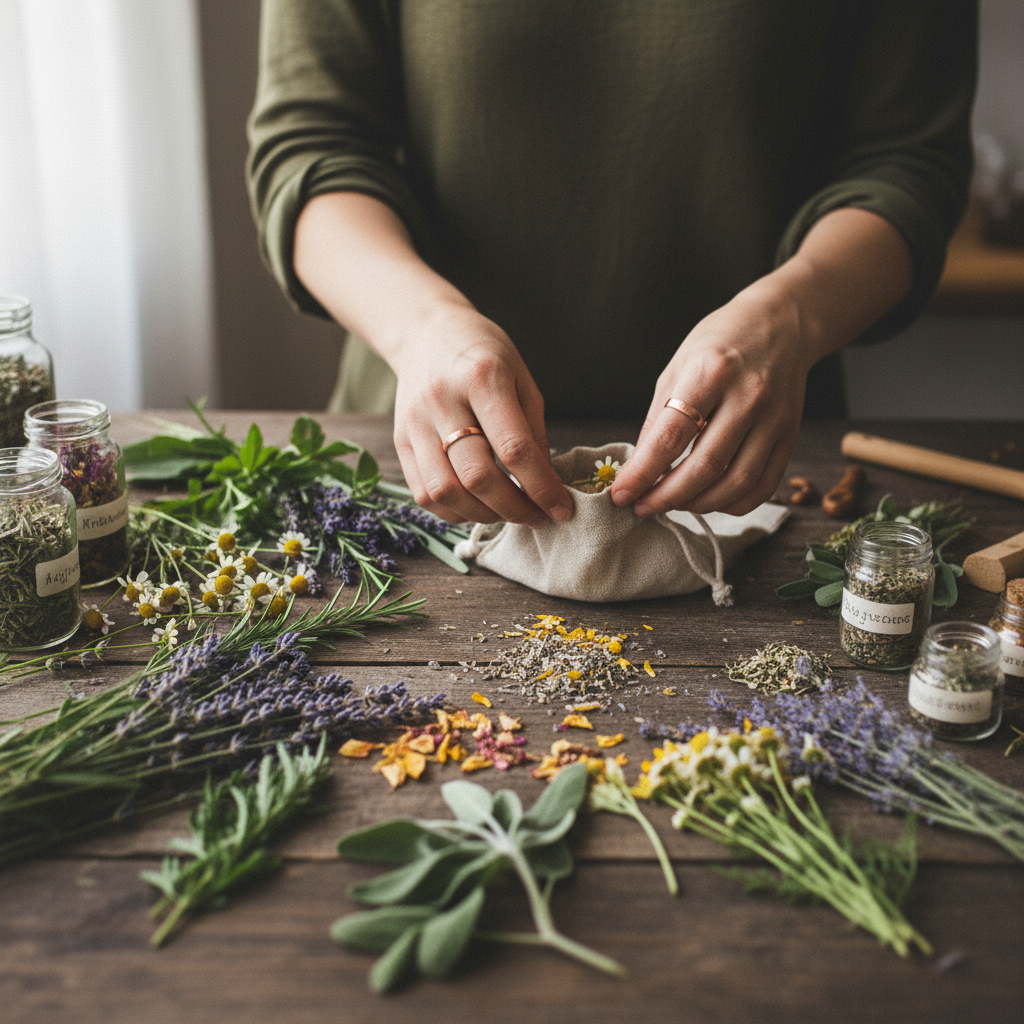
Choosing the Right Herbs
Selecting the appropriate herbs is crucial for a successful extract. Consider the purpose of your extract, whether it’s for health benefits, flavoring, or aromatherapy. Common choices include lavender, mint, and chamomile. Ensure your herbs are fresh and organic to maximize their potency.
When sourcing herbs, you can either grow them in your own garden or purchase them from a trusted supplier. Organic options are preferable as they are free from pesticides and other harmful chemicals.
Materials and Equipment
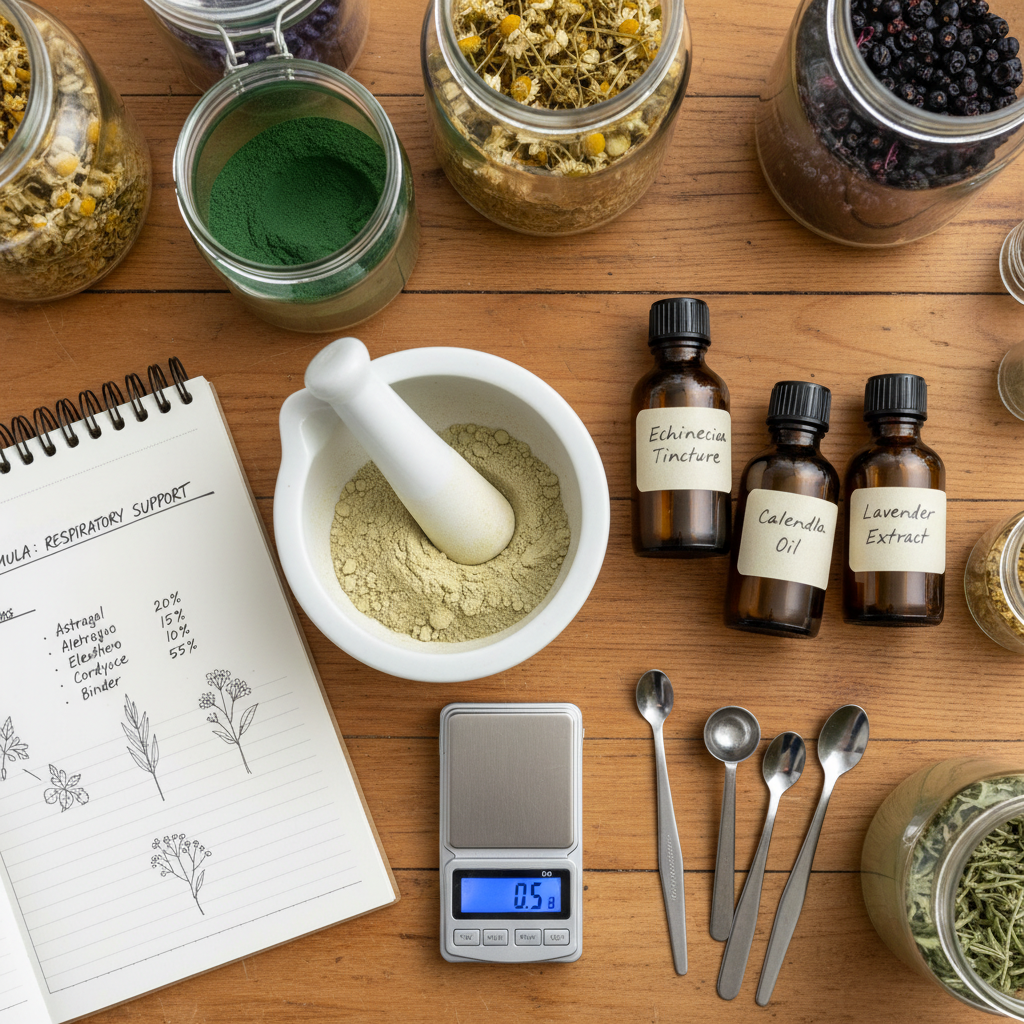
Creating herbal extracts requires specific materials and equipment. Here's a basic list to get you started:
- Fresh or dried herbs
- High-proof alcohol (such as vodka) or apple cider vinegar for non-alcoholic extracts
- Glass jars with tight-fitting lids
- Cheesecloth or fine mesh strainer
- Dark glass bottles for storage
The Extraction Process
The extraction process is relatively simple, yet requires patience. Follow these steps for a basic alcohol-based extract:
- Chop the herbs to increase surface area for extraction.
- Place the herbs in a glass jar, filling it about halfway.
- Pour alcohol over the herbs until they are completely covered.
- Seal the jar and store it in a cool, dark place for 4-6 weeks, shaking occasionally.
- Strain the liquid through a cheesecloth into a dark glass bottle for storage.
Safety and Storage
When making herbal extracts, safety is paramount. Ensure that the workspace is clean to avoid contamination. Label your extracts with the name of the herb and date of preparation. Store them in a cool, dark place to preserve their potency.
Experimenting with Combinations
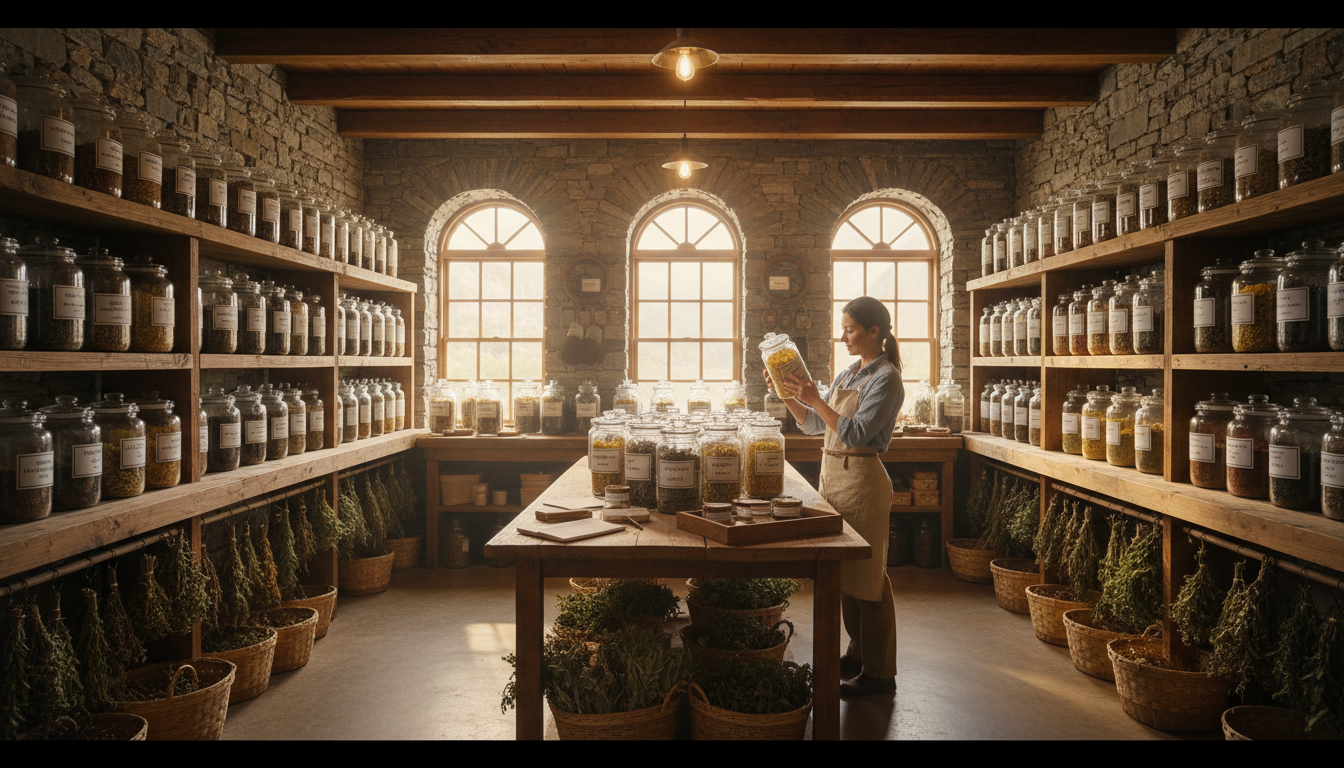
Once you're comfortable with the basics, feel free to experiment by combining different herbs. This allows you to create unique blends tailored to your preferences. Always research the properties and potential interactions of herbs before combining them.
Remember, while DIY herbal extracts are a fun and rewarding endeavor, they should not replace professional medical advice. Consult with a healthcare professional if you plan to use extracts for medicinal purposes.
Conclusion
Embarking on the journey of creating your own DIY herbal extracts can be both enjoyable and beneficial. By understanding the basics and exercising caution, you can craft personalized extracts that enhance your daily life. Happy extracting!