RCVM.ORG
- Subcritical CO2 Extraction labs
- SES - 2
- SES-80
- Pure full spectrum raw botanical extracts
- Functional food
- Coffee + Schisandra
- Coffee + Hop extract
- Coffee + Artemisia Annua extract
- Almonds Protein
- Walnuts protein
- Services
- About
- Investor's page
- Blog
- Mare's milk processing
- CO₂ Dry Cleaning
- Subcritical CO₂-Extracted Shikonin for Skin Injury Treatment
Functional Foods and Their Role in Modern Diets
Understanding Functional Foods
Functional foods have become a buzzword in the health and wellness industry, but what exactly are they? Simply put, functional foods are those that provide health benefits beyond basic nutrition. They contain biologically active compounds that can enhance well-being and reduce the risk of disease.
These foods are not a new concept; they have been part of traditional diets for centuries. However, their popularity has surged in recent years as consumers become more health-conscious and seek ways to improve their diets.
Types of Functional Foods
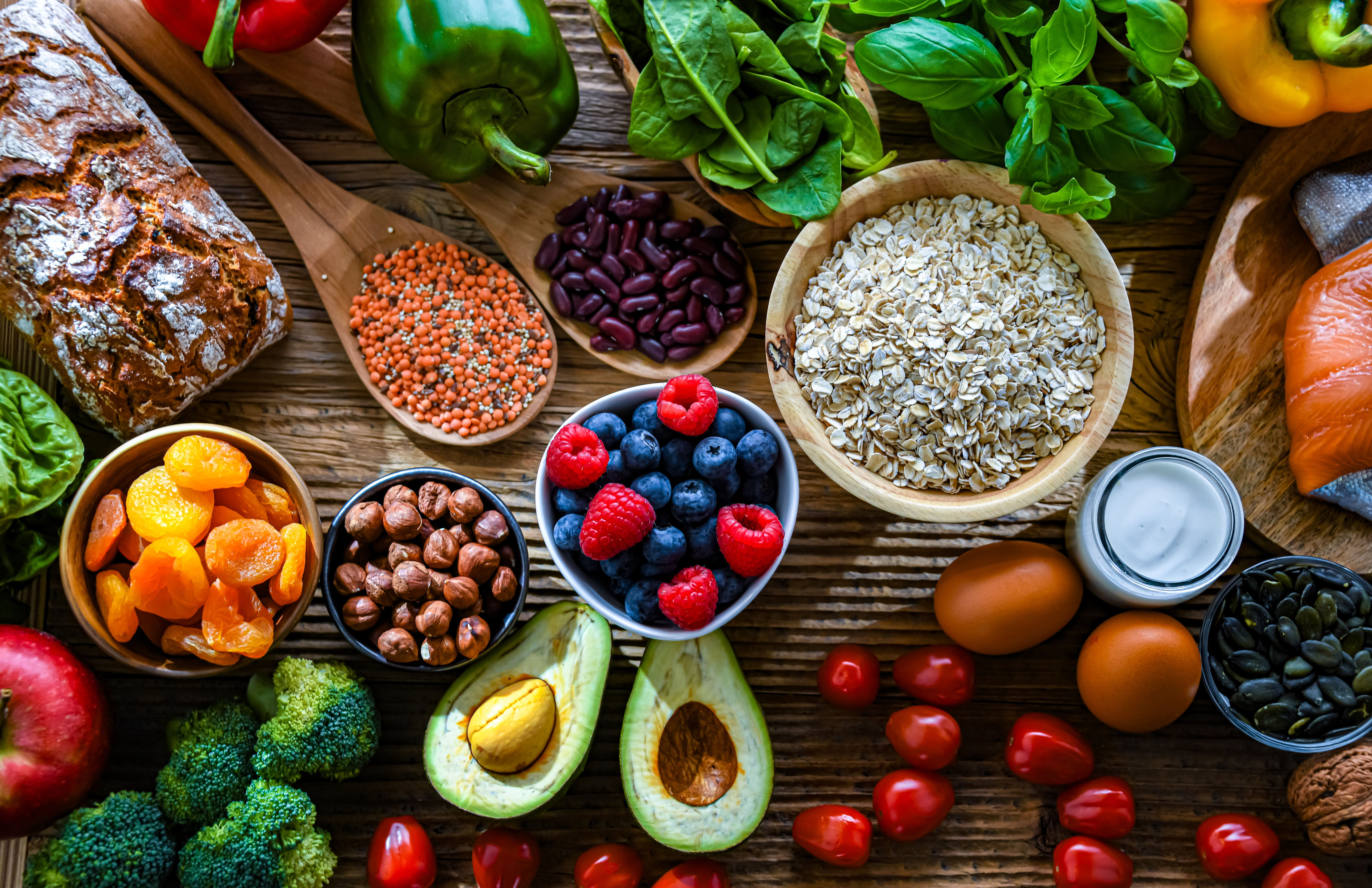
Functional foods can be classified into two main categories: conventional and modified. Conventional functional foods are natural and unaltered, such as fruits, vegetables, nuts, and seeds. These foods are rich in essential nutrients and bioactive compounds like antioxidants and fiber.
On the other hand, modified functional foods are those that have been fortified or enhanced with additional nutrients or beneficial ingredients. Examples include fortified cereals, probiotic yogurts, and calcium-enriched juices.
Key Nutrients and Compounds
Functional foods often contain specific nutrients and compounds that contribute to their health benefits. Some of these include:
- Omega-3 fatty acids: Found in fatty fish, flaxseeds, and walnuts, these are known for supporting heart health.
- Probiotics: Present in fermented foods like yogurt and kefir, they promote gut health.
- Antioxidants: Found in berries, dark chocolate, and green tea, these help combat oxidative stress.
The Role of Functional Foods in Disease Prevention
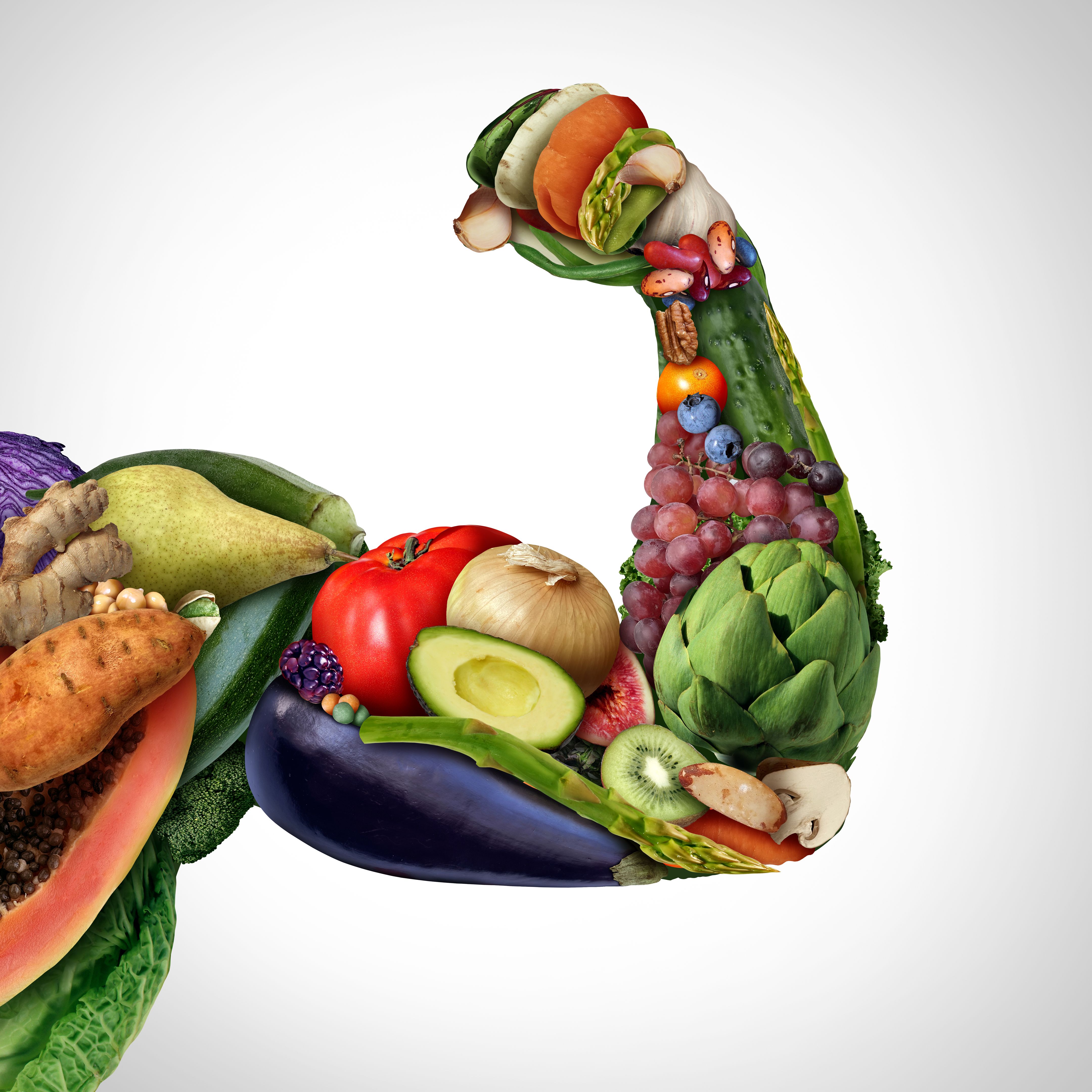
Incorporating functional foods into your diet can play a significant role in disease prevention. For instance, consuming foods rich in omega-3 fatty acids has been linked to a reduced risk of heart disease. Similarly, the antioxidants found in fruits and vegetables may lower the risk of certain cancers.
Probiotics are gaining attention for their potential benefits in preventing and managing digestive disorders. By promoting a healthy balance of gut bacteria, they may help reduce symptoms of irritable bowel syndrome and improve overall digestive health.
Functional Foods and Weight Management
Functional foods can also aid in weight management. Foods high in fiber, such as whole grains and legumes, can increase feelings of fullness and help control appetite. Additionally, the inclusion of protein-rich foods can support muscle maintenance and metabolism.

Incorporating Functional Foods into Your Diet
Adding functional foods to your diet doesn't have to be complicated. Start by incorporating more natural, whole foods into your meals. Opt for a variety of colorful fruits and vegetables, and choose whole grains over refined options.
Experiment with fortified foods and supplements if needed, but prioritize getting nutrients from whole food sources whenever possible. Remember that balance and moderation are key to maintaining a healthy diet.
Conclusion
Functional foods offer a promising avenue for enhancing health and preventing disease. By understanding their benefits and incorporating them into your diet, you can take proactive steps towards a healthier lifestyle. As always, consult with a healthcare professional before making significant changes to your diet.