RCVM.ORG
- Subcritical CO2 Extraction labs
- SES - 2
- SES-80
- Pure full spectrum raw botanical extracts
- Functional food
- Coffee + Schisandra
- Coffee + Hop extract
- Coffee + Artemisia Annua extract
- Almonds Protein
- Walnuts protein
- Services
- About
- Investor's page
- Blog
- Mare's milk processing
- CO₂ Dry Cleaning
- Subcritical CO₂-Extracted Shikonin for Skin Injury Treatment
How to Choose the Right Functional Foods for Your Winter Diet
Understanding Functional Foods
As the chilly winter months approach, it's essential to modify your diet to support your immune system and overall health. Functional foods, which offer additional health benefits beyond basic nutrition, can be a great addition to your winter diet. These foods contain bioactive compounds that may help prevent disease and promote well-being.

Identify Your Health Goals
Before selecting functional foods, it's important to identify your specific health goals. Are you looking to boost your immunity, improve digestion, or increase energy levels? Knowing your objectives will guide you in choosing the most suitable foods.
For instance, if boosting immunity is your goal, focus on foods rich in vitamins C and D, zinc, and antioxidants. If digestive health is a concern, fiber-rich foods and probiotics might be more suitable.
Explore Seasonal Options
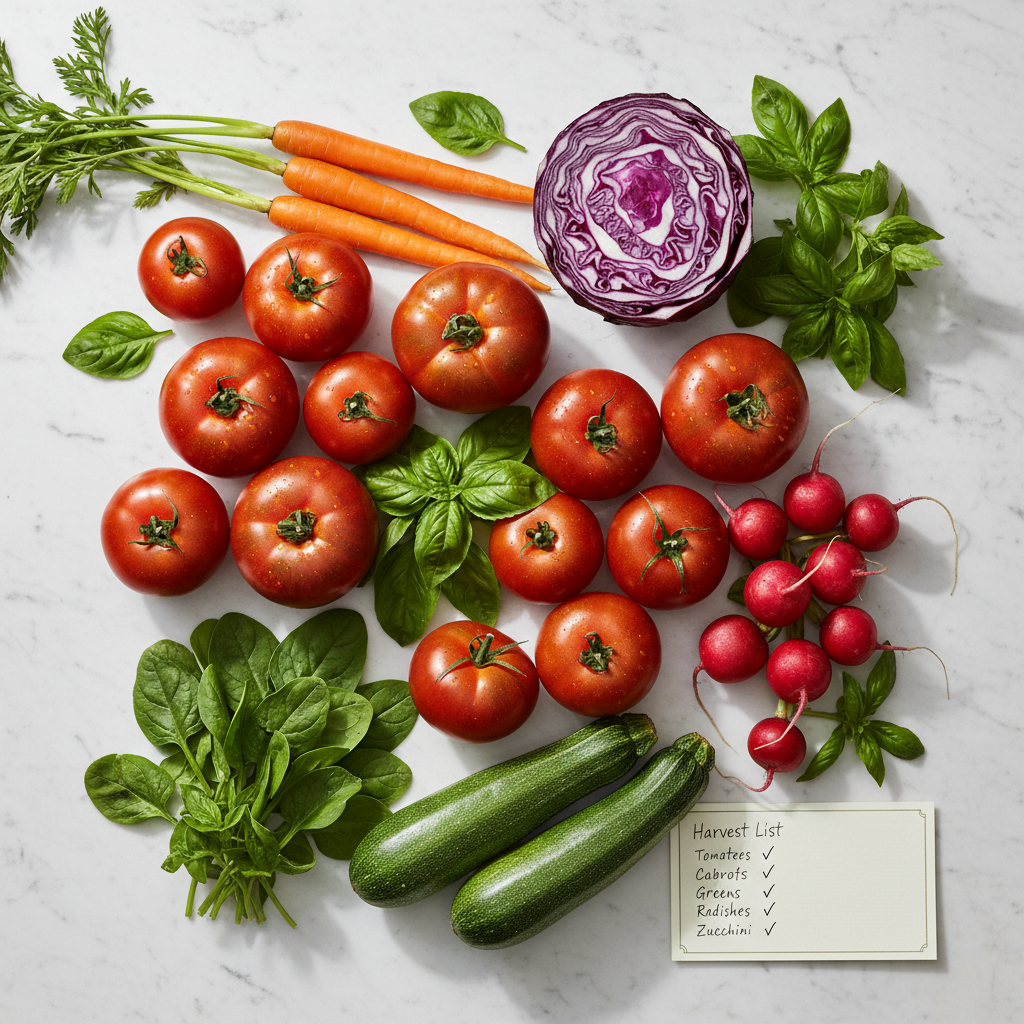
Winter offers a variety of seasonal foods that are naturally rich in nutrients. Opt for root vegetables like sweet potatoes and carrots, which are high in vitamins and minerals. Leafy greens such as kale and spinach are also excellent choices for their high antioxidant content.
Incorporate Probiotics
Probiotics are beneficial bacteria that support gut health. During winter, when digestive issues can be more prevalent, incorporating probiotic-rich foods like yogurt, kefir, and fermented vegetables can be particularly beneficial.
These foods help maintain a balanced gut microbiome, which is crucial for overall health and can even influence mood and energy levels.
Focus on Whole Grains
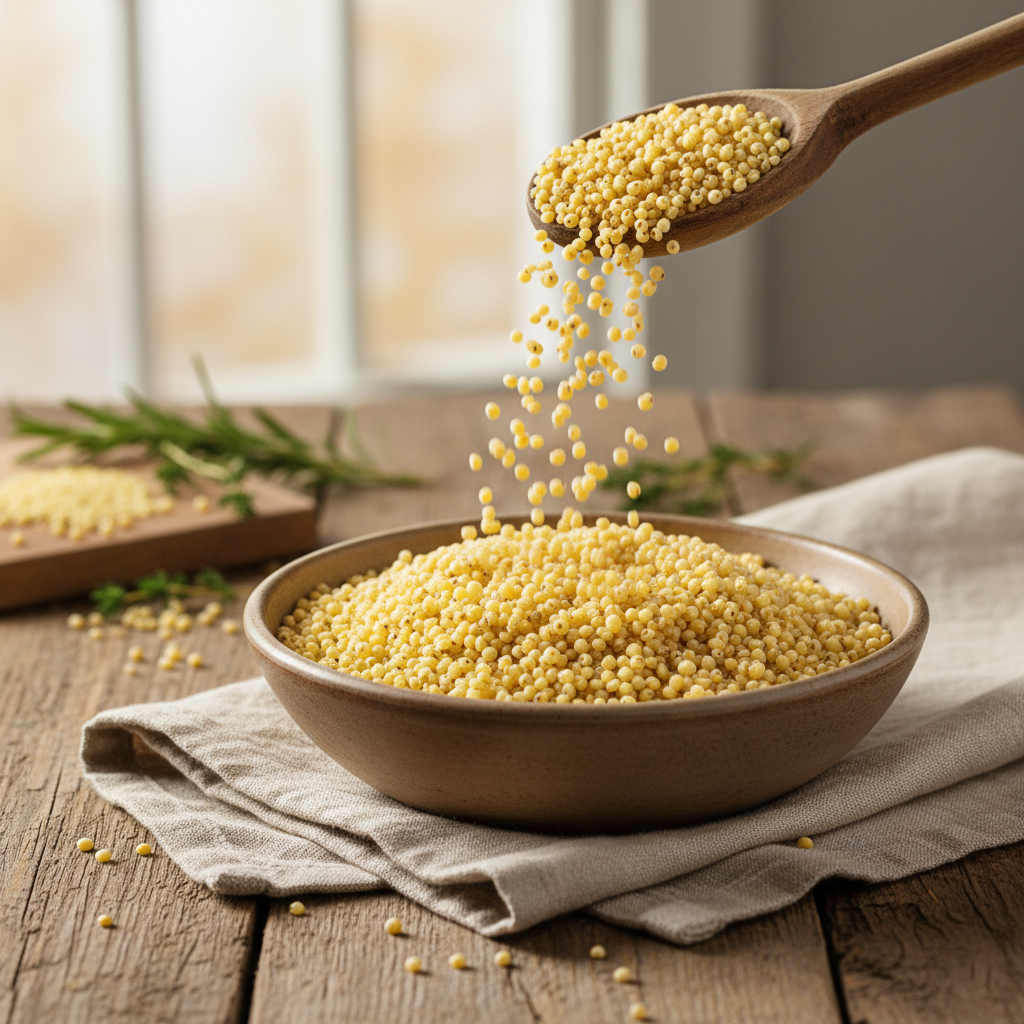
Whole grains are a vital component of a balanced diet, offering fiber, essential nutrients, and sustained energy. During winter, consider integrating grains like oats, quinoa, and barley into your meals. These grains can help regulate blood sugar levels and keep you feeling fuller for longer.
Don't Forget Hydration
Staying hydrated is just as important in winter as it is in summer. Herbal teas and broths can be comforting ways to increase fluid intake while also providing additional nutrients. Green tea, for instance, is packed with antioxidants and can be a warm, soothing drink on cold days.
Plan and Prepare
Finally, planning and preparing meals in advance can help ensure you're consistently consuming functional foods. Batch cooking soups, stews, and casseroles with a variety of vegetables, grains, and legumes can make it easier to stick to your dietary goals.
Consider creating a weekly meal plan that incorporates a diverse range of functional foods. This approach not only simplifies meal prep but also ensures a balanced intake of nutrients throughout the week.