RCVM.ORG
- Subcritical CO2 Extraction labs
- SES - 2
- SES-80
- Pure full spectrum raw botanical extracts
- Functional food
- Coffee + Schisandra
- Coffee + Hop extract
- Coffee + Artemisia Annua extract
- Almonds Protein
- Walnuts protein
- Services
- About
- Investor's page
- Blog
- Mare's milk processing
- CO₂ Dry Cleaning
- Subcritical CO₂-Extracted Shikonin for Skin Injury Treatment
What Are the Benefits of Functional Foods? An In-Depth Look
Understanding Functional Foods
Functional foods are gaining popularity as more people seek to improve their health and well-being through diet. These foods provide health benefits beyond basic nutrition, often containing bioactive compounds that can enhance physical and mental health. From fortified foods to naturally nutrient-rich options, functional foods are a valuable addition to any diet.
Types of Functional Foods
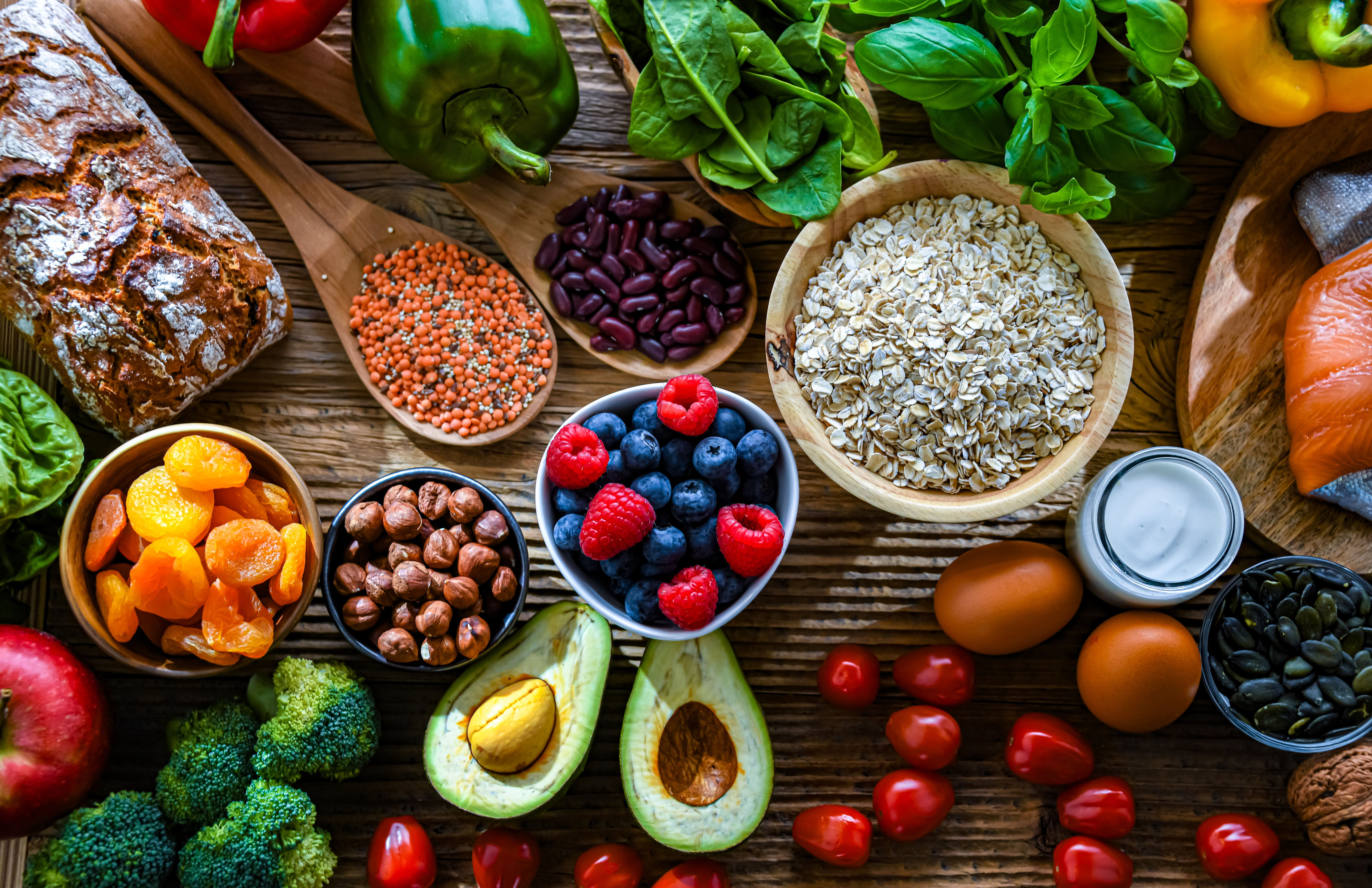
There are two main categories of functional foods: conventional and modified. Conventional functional foods are naturally rich in beneficial nutrients, such as fruits, vegetables, nuts, and seeds. Modified functional foods, on the other hand, have been fortified with additional nutrients or bioactive compounds. Examples include calcium-fortified orange juice or probiotic yogurt.
Health Benefits of Functional Foods
Functional foods offer a variety of health benefits, making them an essential component of a balanced diet. These foods can help improve heart health, support immune function, enhance digestive health, and even contribute to better mental well-being. By incorporating functional foods into your daily routine, you can enjoy numerous health advantages.
Improved Heart Health
Many functional foods contain nutrients that are beneficial for heart health. Omega-3 fatty acids found in fish, flaxseeds, and walnuts help reduce inflammation and lower the risk of heart disease. Additionally, foods rich in soluble fiber, such as oats and barley, can help lower cholesterol levels, further supporting cardiovascular health.
Enhanced Immune Function
Functional foods can also play a crucial role in boosting the immune system. Ingredients like garlic, ginger, and turmeric have natural anti-inflammatory and antioxidant properties that help strengthen the body's defenses. Probiotic-rich foods, such as yogurt and kefir, support gut health, which is closely linked to a strong immune system.

Digestive Health and Functional Foods
Good digestive health is essential for overall well-being, and functional foods can help maintain a healthy digestive system. Foods rich in prebiotics and probiotics, like bananas and fermented foods, promote a balanced gut microbiome, aiding digestion and nutrient absorption. This balance can help prevent digestive issues like bloating, constipation, and diarrhea.
Supporting Mental Well-Being
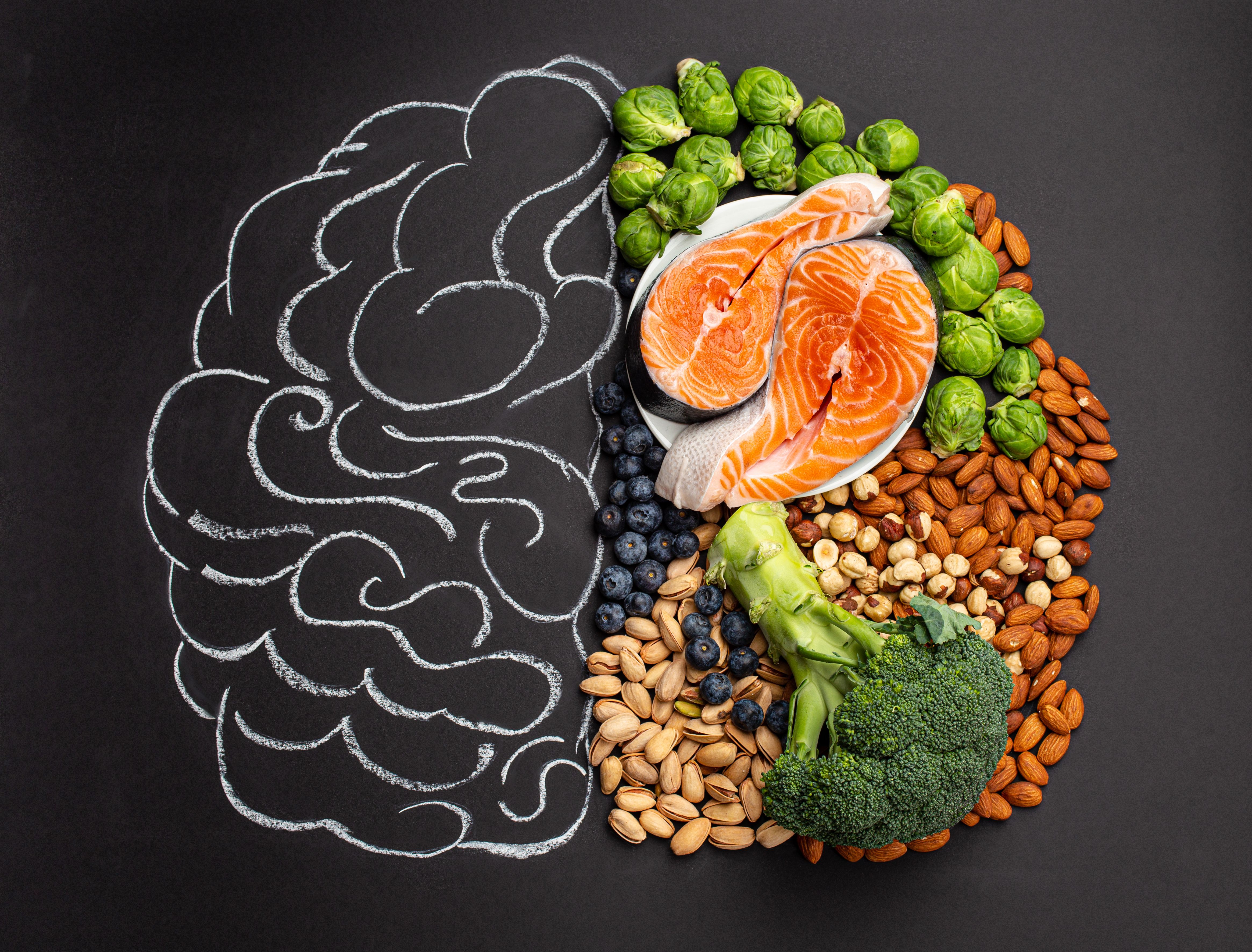
Functional foods are not only beneficial for physical health but also for mental well-being. Nutrients such as omega-3 fatty acids, B vitamins, and antioxidants have been linked to improved mood and cognitive function. Incorporating foods like leafy greens, fatty fish, and berries into your diet can contribute to better mental health.
Conclusion: Embracing Functional Foods
Incorporating functional foods into your diet is a simple and effective way to enhance both physical and mental health. By choosing a variety of nutrient-rich foods and paying attention to their unique benefits, you can support your overall well-being and enjoy a healthier lifestyle. Whether you opt for naturally nutrient-dense options or fortified products, functional foods offer a wealth of advantages worth exploring.